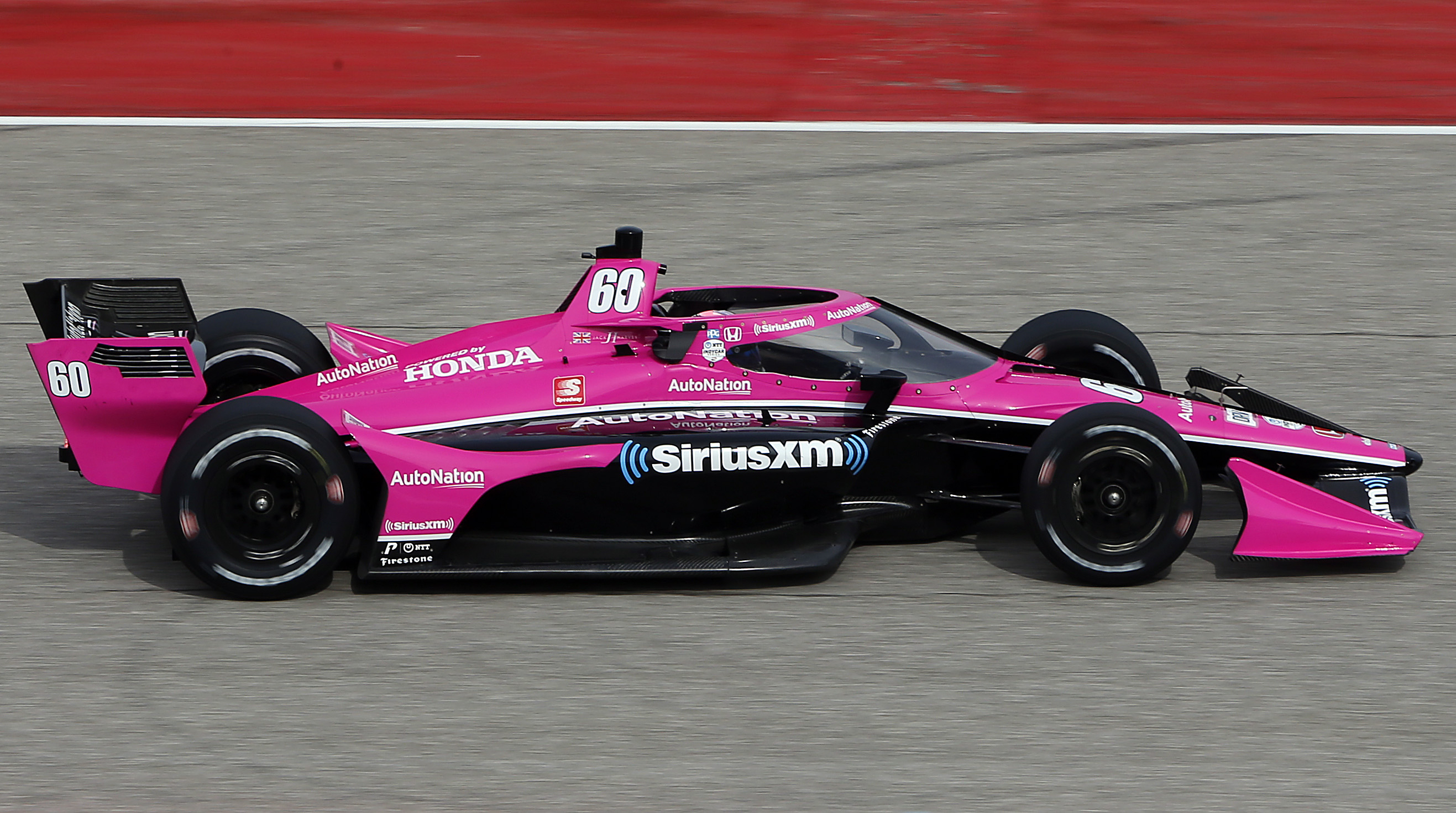
With few Formula 1 driver salaries publicly available, Forbes relied on financial documents, legal filings and press leaks as well as conversations with industry insiders and consultants to compile this list. Drivers typically receive a base salary plus bonuses for points scored or for race or championship wins, with the amount depending on the size of the team and the experience of the driver. F1 has 20 seats, some people die before they even get a chance at formula 1, because even formula 2 is just as dangerous, the level of skill required here is 1 in hundreds of millions. So yes these drivers deserve every penny and maybe more, because none of these drivers should risking their lives for your amusement without being properly compensated.

$1M is way to low, I agree with focusing more on race placements maybe to control salaries, but a base salary I think is a must. Athletes are not slaves that has to give up they lives and time and devote everything for our enjoyment. The moment salaries are reduced in sports, racing and all these things revert to slavery.
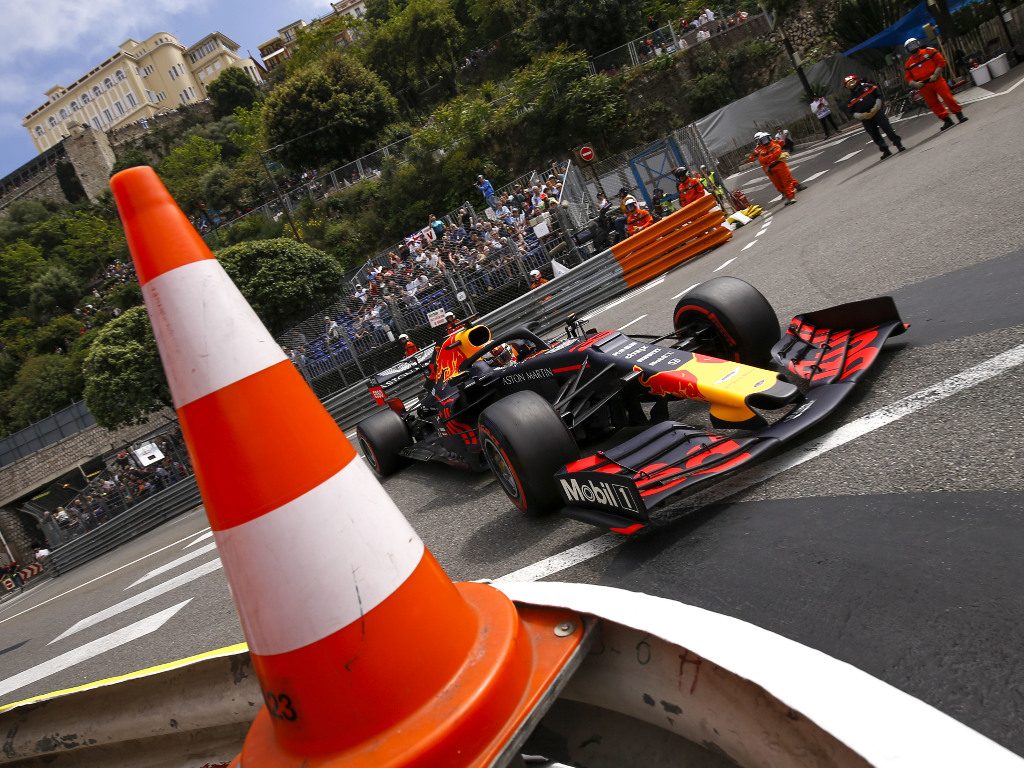
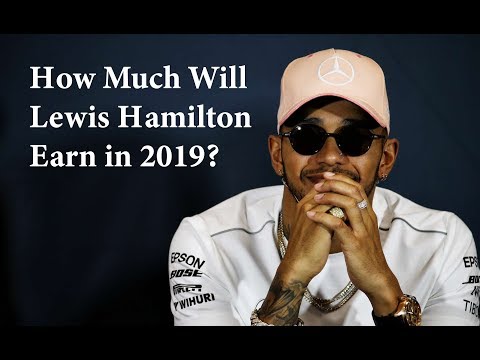
Because I can guarantee you would not devote all what you need to become good at any sport and expect minimum wage. That would be like me saying journalism is just a bunch of words put together in a few minutes or photographers are pointless because all you do is press a button. Stop reducing persons skill to just what you see on paper, when there is so much that goes on behind the scenes. These people are human beings, not your puppets that you have at your beckon call. Leading the field is Lewis Hamilton (Mercedes-AMG), with a reported annual salary of $30 million. At the end of the 2020 season, Hamilton was reportedly earning around $40m per year, but his new deal (a one-year contract with the option to extend into 2022) saw him take a reduced salary.

Despite him being a seven-time champion and rewriting the sport's record books, it wasn't enough to warrant a hefty paycheck. And with Williams driver George Russell waiting in the wings to take over, Hamilton had little choice but to agree to the new deal. Beginning in this season, F1 teams are subject to a cost cap of $175 million per team.

This cap limits expenditures on car performance but doesn't apply to marketing costs or driver salaries. Lewis Hamilton, who replaced Michael Schumacher at Mercedes in 2012, has become an icon on the same level as his predecessor. The 36-year-old signed a two-year contract extension with Mercedes this summer, following up on a three-year, $140 million deal in 2015 and a two-year, $100 million extension in 2018.

He is also the founder of X44, a team in the new off-road electric-SUV racing series Extreme E. Leading the pack is Mercedes superstar Lewis Hamilton, who is on pace to earn $62 million on the track in 2021. That figure includes a $55 million base salary—more than double what his closest competitor is guaranteed—as well as a projected $7 million in bonuses for race wins. Although occasionally pay drivers are labelled as "unworthy" for an F1 seat, many of the pay drivers in F1 today come with occasional success in their individual races in lower formulas. Maldonado would cement his place in Formula One history with a win at the 2012 Spanish Grand Prix as the first Venezuelan to win in F1 with what became the only pole, podium, and win of his career. It was also the first win for Williams since 2004 and their last as of 2021.
Although DTM drivers are paid for their races, they are not paid very much. There is no official list of the salaries of DTM drivers, like there are for F1 or NASCAR racers, but the salaries of the top DTM drivers are believed to be similar to those of V8 Supercar Drivers in Australia. The top racers in Australia's racing league are paid as high as $1 million per year. However, this only applies to the top racers, so most racers in the DTM likely make a salary that can be significantly lower than that figure. Lewis Hamilton ($60 million) annual salary remain the highest paid driver in F season.

Some drivers did not signed extension contract and after 2020 they are looking for better deals. Max Verstappen driving the last season for the Red Bull racing team. The professional drivers in Formula sign new deals and shuffle from one team to another with 1st driver opportunity.

According to public report in 2019, formula 1 drivers salaries 25% increase in past five years. Lewis Hamilton currently highest earning Formula 1 driver on annual base salary. In 2018, Hamilton signed two years contract deal with Mercedes Meclarn F1 for ($51 million a year) $100 million total value of contract. It is expected that Charles Leclerc and Valtteri Bottas will enjoy considerable growth in their 2021 salaries. However, their contract provides them with substantial performance-based bonuses. Pierre Gasly is reported to earn a bonus double his base salary after his first Grand Prix win this season.
Hamilton, who has four wins through ten races, still has time to overtake Verstappen, with the gap in the standings a mere eight points and 12 races remaining on the schedule . NFL has hardly any interest outside of the US, despite numerous attempts to spread it to Europe. Whereas F1, football, tennis, etc, are played and watched around the globe. The stars of those sports are known world wide and earn accordingly. There are only 20 F1 drivers, there are hundreds of NFL players and I couldn't name one. There's no games for retired players, there are no games for anyone who doesn't play at college and then become a professional.

How Much Does F1 Drivers Get Paid Per Race A driver development program is a system or structure designed for young kart and race car drivers to learn and perfect their racing skills. These programmes are devised by racing teams, external companies and funded partnerships primarily to attract and develop future racing talent. F3 drivers are not paid for racing at the lower levels, but they can earn money through personal sponsorships. F3 racers must pay a team to give them their seat in a race. Affiliating with a team can help them make money by appearing in promotional activities representing the team, whether it be through public appearances or through media and advertisements.

There are many methods for F3 racers to promote their racing careers while also earning money for doing so. In most professional and minor league sports, athletes are paid for their work and contributions to their team. Most F3 drivers will have to pay the teams in order to secure their spot in races for a season. Racers are not paid for their performances, but instead can only make money through personal sponsorships.

Success in F3 can lead to a spot in F2 or even a direct advancement to F1, although this is very rare. Kimi Räikkönen break all records in 2007 after signing three years contract deal with Ferrari F1 team. He earns $51 million per year his contract worth of ($153 million) which bring his name among the highest paid drivers and athletes worldwide in 2009. A news website in 2018, revealed the Formula 1 drivers salaries.
He enjoyed a period of unprecedented success when he won four F1 World Driver Championships consecutively. This made him the only fourth person to ever win four or more championships. He has earned a reported $32 million last year making him one of the top paid race car drivers. If you want to pursue a career as an F1 mechanic, you may apply for roles with race teams like Ferrari and McLaren.

Formula One is the top class of international racing for formula cars. To prepare for working as an F1 mechanic, you can consider working as a mechanic for racing teams in other series first, such as Formula 2, Formula 3 or Formula 4. Starting out in a lower formula class can help you gain essential practical experience working on formula racing cars while you develop your skills to progress to Formula One. It's unclear what will happen with driver salaries next year under the budget cap, though despite their earnings are exempt, it may indicate an overall levelling out of money earned by the drivers at the top of the grid. However, it is likely that as long as Hamilton remains in F1, he will secure his place at the top of this particular list. Pay drivers are also common in stock car racing and are very prevalent in development series such as the Xfinity Series and ARCA Racing Series.

There are also several pay drivers competing at the Cup level including Matt Tifft and Paul Menard, the son of home improvement tycoon John. Menard had some success with a victory at the Brickyard 400 in 2011 and a Chase for the Sprint Cup appearance in 2015, while medical issues halted Tifft's racing career in 2019. Because of this the rules on driver changes were subsequently tightened. This may be done to gain on-track experience or to live the lifestyle of a driver in a particular series when one's talent or credentials do not merit a paying ride. Alternatively, said person is also called a ride buyer or a rich kid in the United States, a gentleman driver in sports car and GT racing and a privateer in Australia.
Unlike most professional sports in the United States, where agents and even teams regularly release contract figures, Formula 1 is still a rather closed society in that regard and actual figures are not released. In F1, drivers typically work for a base salary plus bonuses for wins and place in the final standings. There is some controversy regarding the F3 salary structure, as it can be worrisome for some younger races who do not have a well-off family to support their racing endeavours.
These racers may also not attract sponsorships from teams because their financial situations may not compare favorably to other F3 racers. Some drivers attempt to pursue the start of their racing careers in other lower level racing leagues, where they will be paid directly for their races. In LMP3, and frankly every class and series on the planet, there are outliers who make less or more than the majority of the paid drivers. For the grand season opener at Daytona where some higher-profile drivers might be added to the 24-hour roster, receiving a check for "$20,000, maybe up to $25,000" was suggested as a solid payday. Among the outliers, a very small percentage of pros in LMP3 are known to be close to or slightly over $200,000 for a season, according to someone with intimate knowledge of the rates being paid.

At number 2 in the highest-paid race car drivers is Fernando Alonso. He first got behind the steering wheel when he was three and got into kart racing and won three consecutive championships. Car Racing is one of the most taxing and at the same time one of the most lucrative sports in the world. Not only are race car drivers crazy famous but are also paid mullah. Here we take a look at thetop 10 highest paid race car drivers. Still one of the drivers collecting the most from an F1 team is Kimi Raikkonen, even though he's not racing in F1 any more.

His severance package from Ferrari for 2010 was €19 million, with a clause that if he found other employment the income would be offset. He is retained by Red Bull/Citroen at around €10m per year, so Ferrari pays €9 million. In the good old days Raikkonen was earning over €30 million a year from Ferrari. One wonders how long it will be before we see those kinds of salaries again. This is three times more than the most highly paid footballer. The Business Book GP published the ranking of Formula 1 drivers' salaries this season.

The added salaries of all the drivers on the grid come down to a total of $163.5 million. The seven-time world champion, Lewis Hamilton, is also the highest-paid driver at the paddock and pockets a salary of $47 million. Still, the drivers' salaries should continue to make up for the marketing gap.

Most of the contracts of Formula 1 drivers include performance-based bonuses wherein they will get an amount based on winning a race and also scoring points over and above the threshold level agreed mutually. Most F1 drivers do not boast about their earnings however they don't stop the press from speculating either. Why F1 driver salaries depend on bonuses F1 drivers' salaries are huge, but that's not the entire story. This might be where a driver receives a sum based on winning a race, scoring a certain number of points, or finishing above a certain position. At first, your tasks might include simple jobs such as finding parts and shadowing mechanics. As you gain more experience in this position, you can earn more responsibilities that may enable you to apply for your first paid role as a formula racing mechanic.

Once you begin your career in formula racing, you can start working towards the top level of international formula racing, Formula One, by developing your skill set and applying for new positions frequently. It's typically a requirement for F1 mechanics to travel with the rest of the team to compete in races around the world. During these race tours, an employer usually pays for their travel and accommodation expenses, which means that F1 mechanics can travel for up to 180 days a year, all expenses paid. If you're passionate about F1 racing and cars, becoming an F1 mechanic can allow you to put your interests and skills to good use while earning a generous salary and travelling the world. F1 drivers have huge salaries, as well as payouts from sponsorship deals and advertising.

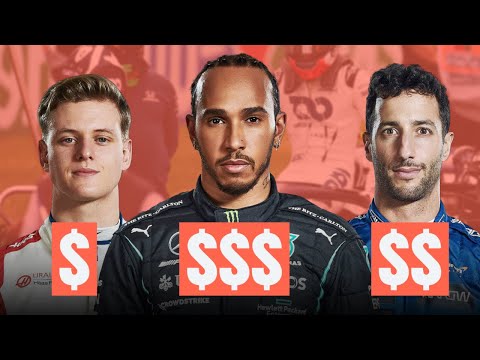
Lewis Hamilton is dominating the salary leaderboard - earning up to 60 times more than other drivers - a chart has revealed. Full list of 2021 contract deals, including for Max Verstappen, Daniel Ricciardo, and George Russell. Some sanctioning bodies will offer champions of lower tier series a well-funded ride for the next tier. The Road to Indy programme from INDYCAR awards a ride fully funded by The Goodyear Tire and Rubber Company for a series champion in the next tier. A $150,000 and tires package is available to a shootout winner among an invited group young American and foreign drivers. F2000 National Championship will win $300,000 to be used for a "pay ride" in the Pro Mazda Championship, and two sets of tires per race.

Pro Mazda winners will be paid for a ride in Indy Lights, and the Indy Lights champion earns funding to compete in at least three IndyCar Series races, including the Indianapolis 500. One of these leagues is the DTM, or the Deutsche Tourenwagen Masters . Although a majority of the racers in this league are not paid handsomely, it can be viewed as a better alternative than F3 simply because the racers are paid for their performance. Before F3 can be introduced, you must first have a basic knowledge of F1. Formula 1 racing is the highest class of international racing in the world. Since there are many races in each season, and because drivers come from all different parts of the world, the sport is extremely popular worldwide.

Many young racers dream of racing in F1, but there are many other levels they must pass through to get there. Just like minor league levels for athletes in other sports who aspire to have a major league career, the F3 level is viewed as a racer's first step towards a potential future in F1. The F1 cost cap is going to assist in reducing the gap between teams' spending, but it probably won't have much of an effect – if any – on the salaries of team principals and drivers. The role of the F1 team principal will continue to increase in complexity as time goes on, so salaries for F1 team principals may also increase. The top earners in Formula 1 drivers also include F1 Driver Sebastian Vettel, who has signed a record deal with Aston Martin F1 and has an annual salary of $23 million per year. Max Verstappen has extended his contract with the Red Bull till 2023 and will receive a base salary of $23.5 million per season.
If you are a Formula 1 fan, then it's not surprising that F1 legend Lewis Hamilton is the highest-paid Formula 1 driver right now. 2022 has witnessed a few contract extension and increment in the F1 driver salaries. Webber has won four races and leads the championship, while Vettel has won twice and is well within striking distance in the title race.

But from my experience of the pair, I don't think money is that strong a motivation. I think they are both highly motivated to win races and clinch the title with this exceptional car. After two years away from the F1 track, Fernando Alonso is back with Alpine. The 39-year-old, once at the center of the series' Spygate and Crashgate scandals, has rebuilt himself into a tremendously popular driver, in part by broadening his auto-racing horizons. In recent years, he has competed in the Indianapolis 500, entered the Dakar Rally and won the endurance races 24 Hours of Le Mans and 24 Hours of Daytona.

The Spaniard won the drivers' championship in 2005 and 2006 with Renault—an earlier incarnation of his current team. How much an F1 driver, or any athlete in any sport, gets paid should be based on how much the team owner/s and the athlete can negotiate and agree. Only the person/company how much any athlete is worth to their team.
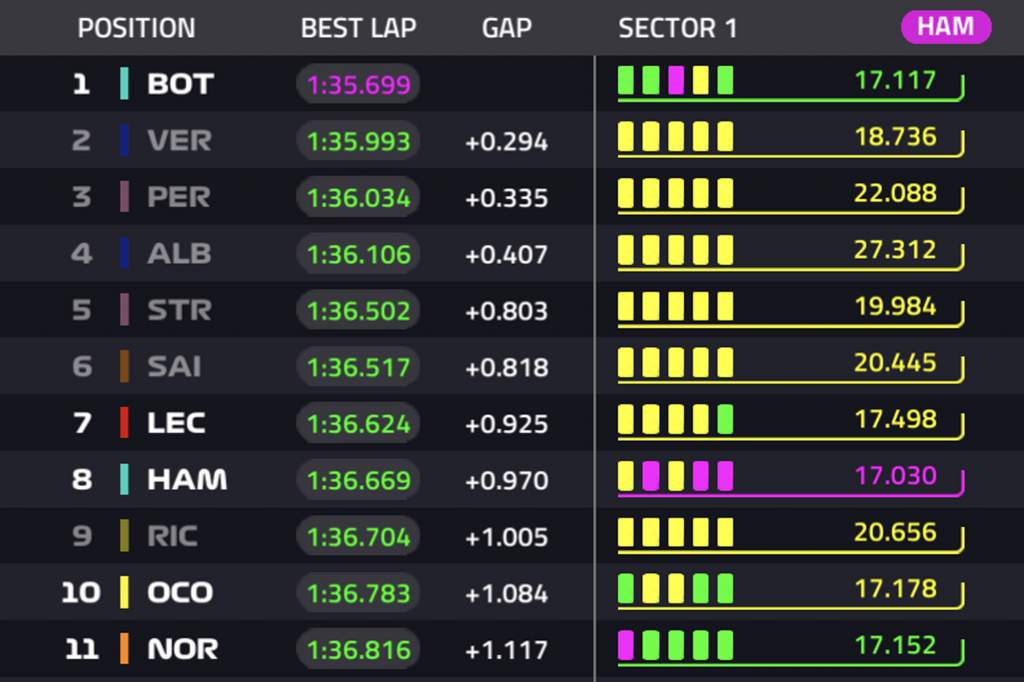
That said, as an organization, like any sport, F1 could and should consider the great disparity of salary between drivers in each team. I base that on the prevailing thinking that any employee should be paid an equal salary for equal work requirements. As with any job, every employee is expected to "produce" for the company.